


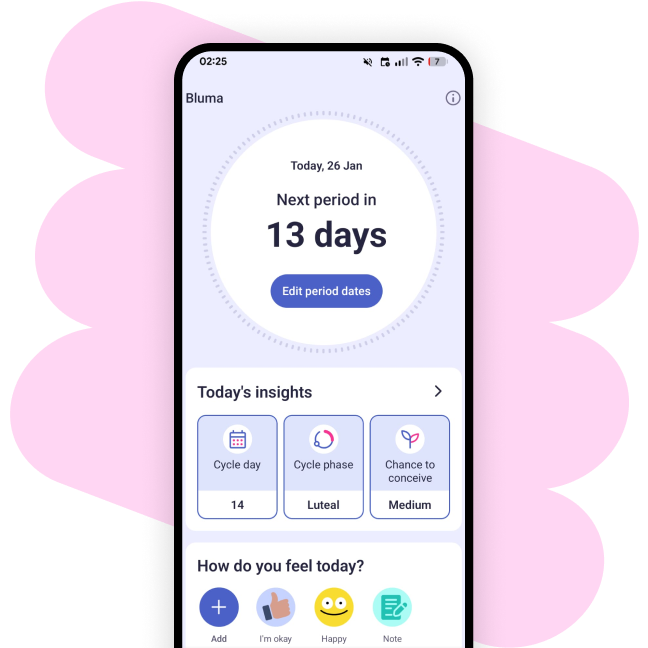

Track your cycle
Log your periods and see predictions for your next period, ovulation day, and fertility window, so you always know what’s coming and can plan ahead.


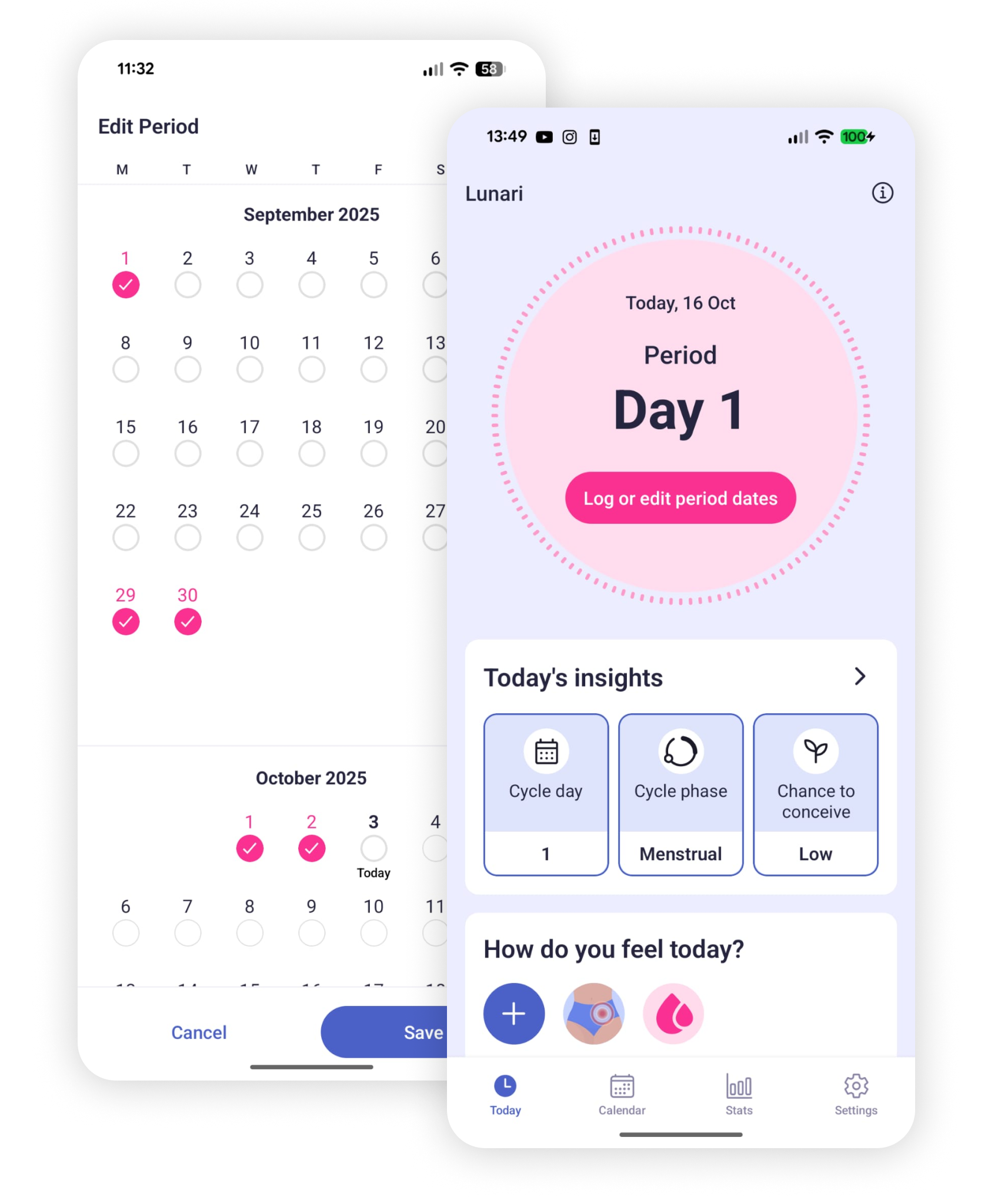
Log your periods and see predictions for your next period, ovulation day, and fertility window, so you always know what’s coming and can plan ahead.
Track what's happening in your body and mind to identify patterns.
Get a full picture of your cycle and get a sense of what's normal for you.
Use your device's biometric authentication (e.g Face ID or fingerprint) to unlock the app.
Get a heads-up so you’re always prepared.
Built from the ground up to store your data locally on your device.
Predictions are computed on‑device from your cycle history, no cloud needed.
Bluma has nothing to hide, you can inspect the code on GitHub.

I was concerned about how health data is handled by many period tracking apps. I tried local-first alternatives, but they felt clunky and lacked features I needed.
Privacy and a good experience shouldn't be a trade-off. So I built Bluma, designed to be a delight to use while keeping your data on your device.
Maribel Ferreira
Creator of Bluma
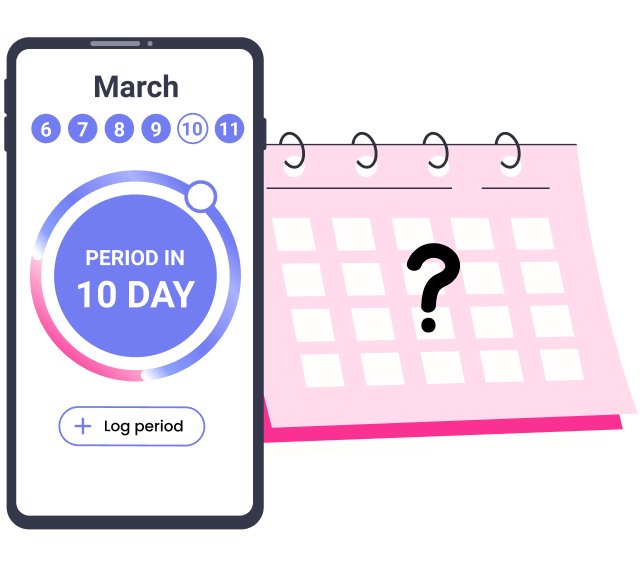
Bluma predicts your next period by adding your average cycle length to the start date of your last period.
Bluma calculates your average cycle length using a weighted average of your last 6 cycles, a commonly used approach in cycle tracking.
Recent cycles have more influence on predictions than older ones. For example, most recent cycle: 100%, second most recent: 80%, third most recent: 60%, and so on.
Track at least 3 cycles for basic predictions. After 6 cycles, predictions are more accurate.
IMPORTANT: Predictions are estimates based on your tracking history, not medical advice. See a healthcare provider if you have concerns.


